Crunching Some Numbers on Fossil Fuels

From a review of Jared Diamond’s latest book, Collapse: How Societies Choose to Fail or Succeed, reads:

“I don’t think we have another 20,000 years,” Jared Diamond said in his impeccable German and with the same unassuming, polite composure with which he had answered all preceding questions. And he added: “I think it’s closer to fifteen years.”

I’ve occassionally wondered what the end of oil will look like. Tonight I thought I’d crunch some numbers to get a better idea.

Let’s start with current daily consumption. I’ll use U.S. numbers because they are quite easy to find.

How much energy does the U.S. consume each day from fossil fuels? According to this CBC article, the U.S. consumes 20.52 million barrels of crude oil per day, each of which contains 1700kWh of energy (according to this site). By my calculations (20,520,000 barrels/24h x 1,700,000Wh/barrel) that comes out to 1454 gigawatts of power.

When the oil runs out that energy will need to be replaced if we are going to maintain our current lifestyles. Where will it come from?

My guess is electricity, either directly or indirectly. Directly if we switch to electric cars; indirectly if we use electricity to extract hydrogen from our environment to power our fuel-cell cars.

According to the Energy Information Administration, the U.S., as of 2002, has the capability to produce 905 gigawatts of electricity, one third of which comes from natural gas and petroleum. That leaves about 604 gigawatts of coal, hydro, nuclear, and other renewable energy to see Americans through the end of oil.

So it looks as though Americans will need to more than triple their current capabilities (~600GW) to cover the loss off oil (~1450GW). Is that what they are planning for?

According to the same EIA article:

Of the new capacity, nearly 62 percent is projected to be natural-gas-fired combined-cycle, combustion turbine, or distributed generation technology. From 2011 to 2025, 105 gigawatts of new coal-fired capacity is expected to be brought on line—more than one-half of it after 2020. From 2011 on, coal-fired capacity is expected to account for 40 percent of all capacity additions. Renewable technologies account for just over 5 percent of expected capacity expansion by 2025—primarily wind and biomass units. Distributed generation, mostly gas-fired microturbines, is expected to add just over 12 gigawatts. Because the best resources for hydropower have already been developed, hydropower capacity is expected to increase only slightly in the future.

Assuming that coal outlasts oil, that leaves about 105GW of new capacity will survive after we run out of oil.

That’s a far cry from the 1450 gigawatts needed to fill the gap.

I don’t want to guess what this means for the future, but it certainly doesn’t look good from where I sit.

Technorati tags: , ,

Get 4 Months of Vonage for the Price of 3

Mandy and I have been using Vonage Canada as our primary phone service for over a year now and been very satisfied with it — especially the costs, although the voice quality is excellent, too.

We get our internet access via cable so we were able to sever all ties to Bell. Where we were formerly paying $60 per month for our phone service, our costs dropped to just $22 with Vonage, for a savings of about $456 per year.

Today I received an email from Vonage asking me to participate in a referral promotion that they have going. If I refer you to their service, you’ll get your first four months for the price of three.

So if you are in Canada and already planning to subscribe to Vonage’s service, send me an email and I’ll send you a coupon for a free month.

Disclaimer: For every new customer I refer, I receive two free months with their service.

Technorati tags: , , ,

Pandora the Tease

I’ve known about Pandora since it was first publicly announced, but I’ve been ignoring it until today when Paul Kedrosky managed to convinced me to give it a try. It is absolutely amazing — at least the 4-song demo is, anyways.

Then it asks you to sign up.

It is the typical americentric registration screen: email address, password, gender, birth year, and zip code. So I check the terms of use…

In order to use any of the Pandora Services, you must be a resident of the United States of America

Gah! Foiled again!

If anybody at Pandora is listening, please come to Canada soon. I’d love to use your service.

Technorati tags: , , ,

Theories of Humour

Scott Adams is giving away all his secrets:

The core of humor is what I call the 2-of-6 rule. In order for something to be funny, you need at least two of the following elements:

  • Cute (as in kids and animals)
  • Naughty
  • Bizarre
  • Clever
  • Recognizable (You’ve been there)
  • Cruel

I invented this rule, but you can check for yourself that whenever something is funny it follows the rule. And when something isn’t, it doesn’t.

I recently read Comedy Writing Secrets by Mel Helitzer, who had a similar theory about humour (or as you Americans spell it, humor). His is the rule of THREES. The more of the following that a joke contains, the funnier it’ll be:

  • Target: the butt of the joke
  • Hostility: works best if directed at somebody superior to the audience
  • Realism: be believable
  • Emotion: get people involved
  • Exaggeration: but not too much
  • Surprise: otherwise known as the punch line

The two theories are completely different, but both seem plausible when you think about it. So what’s your theory on what’s funny?

Technorati tags: , ,

Publishers Lose Big in Chitika Audit

JenSense is reporting that publishers are losing huge in a recent audit by Chitika:

In a thread at DigitialPoint, it didn’t take long to see the full extent of just how significant these audits actually were. One publisher saw one day’s income drop from $28.02 to $3.05 and saw similar drops on other days. Publishers are reporting drops anywhere from 10% to as high as 60% of revenue cut.

I applied to the Chitika eMiniMalls program when Darren Rowse was hyping it. It sounded like a an excellent opportunity at the time.

They rejected me, though, for reasons they kept to themselves.

Somehow I’m feeling pretty good about that now.

Technorati tags: , ,

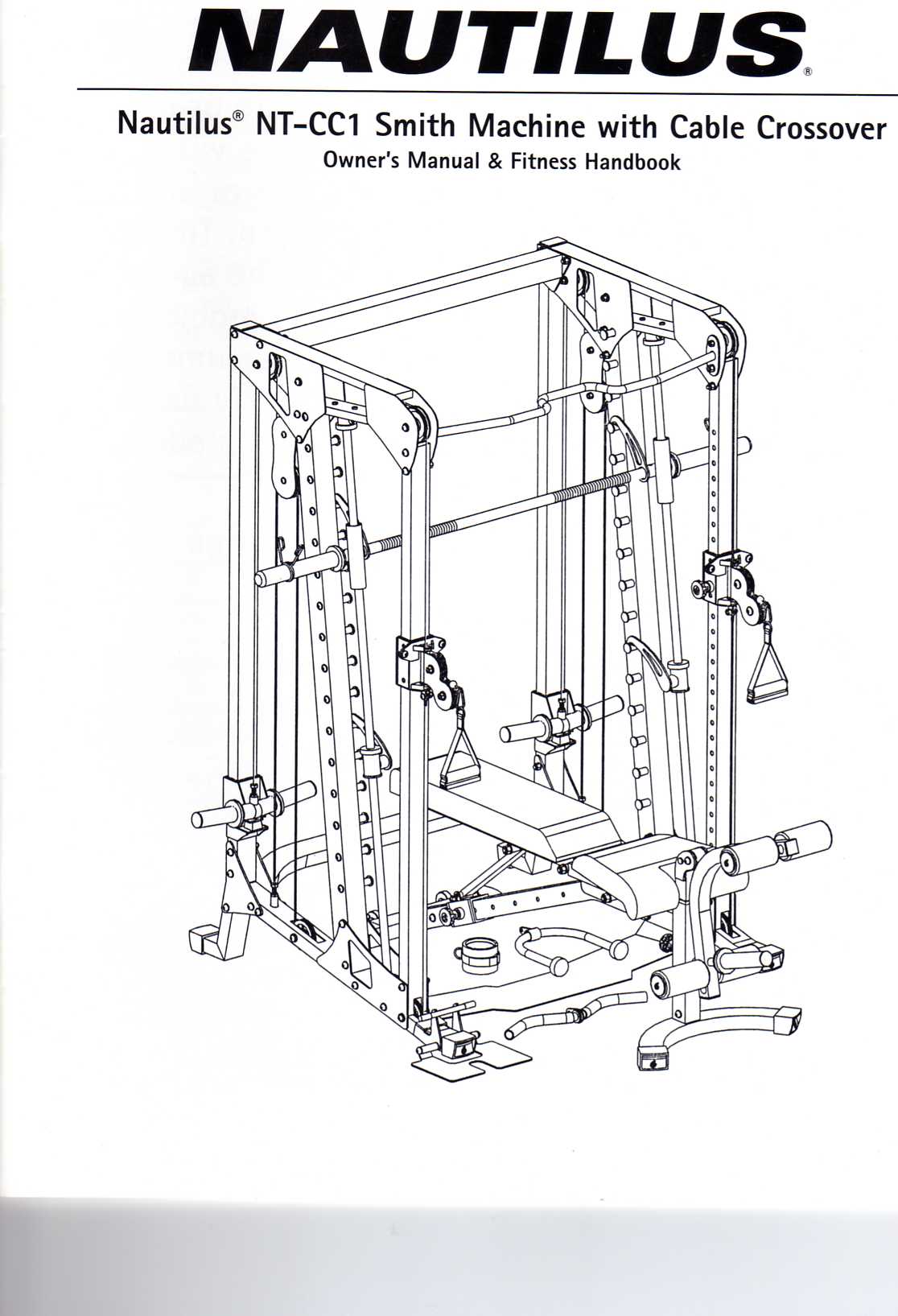
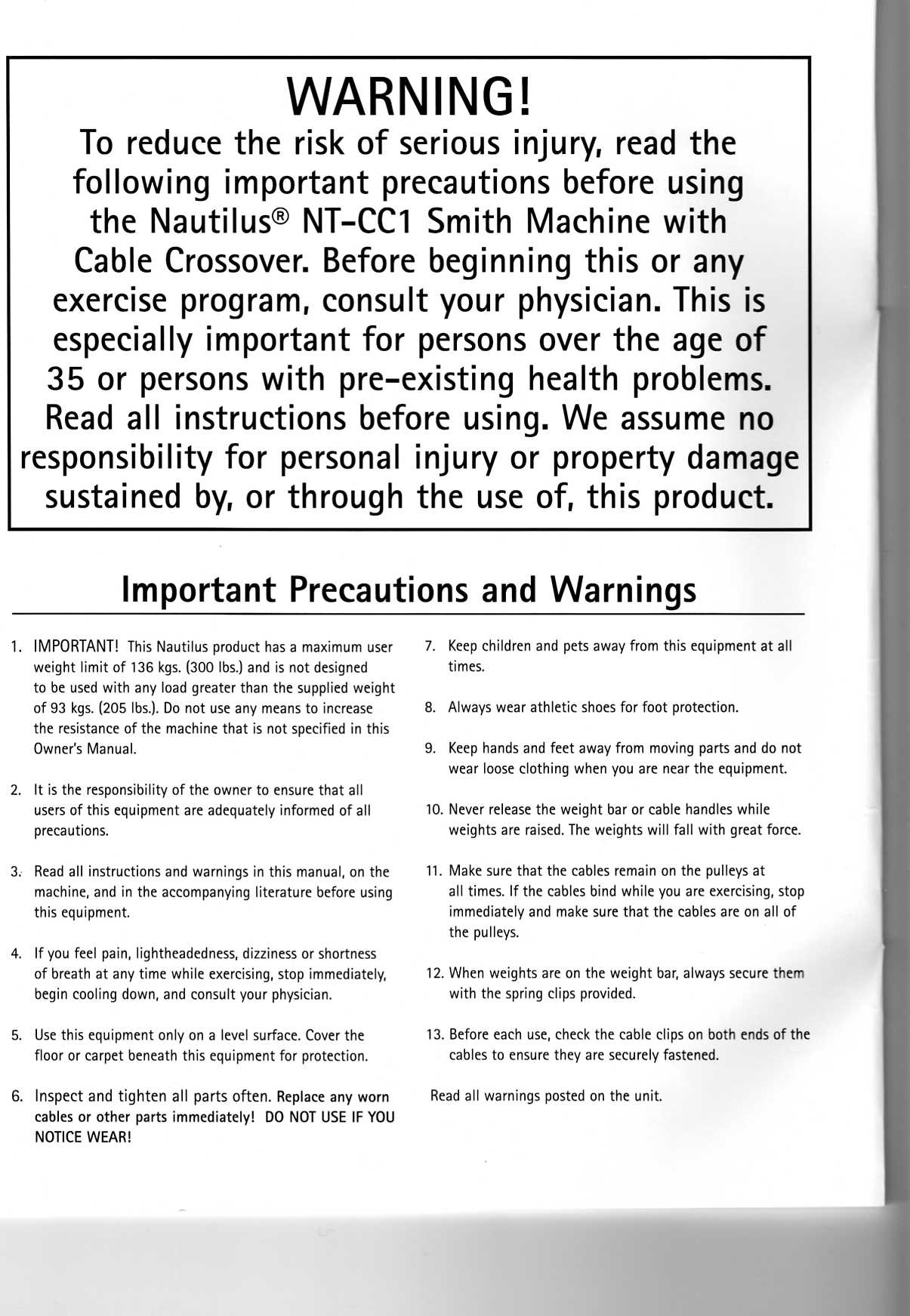
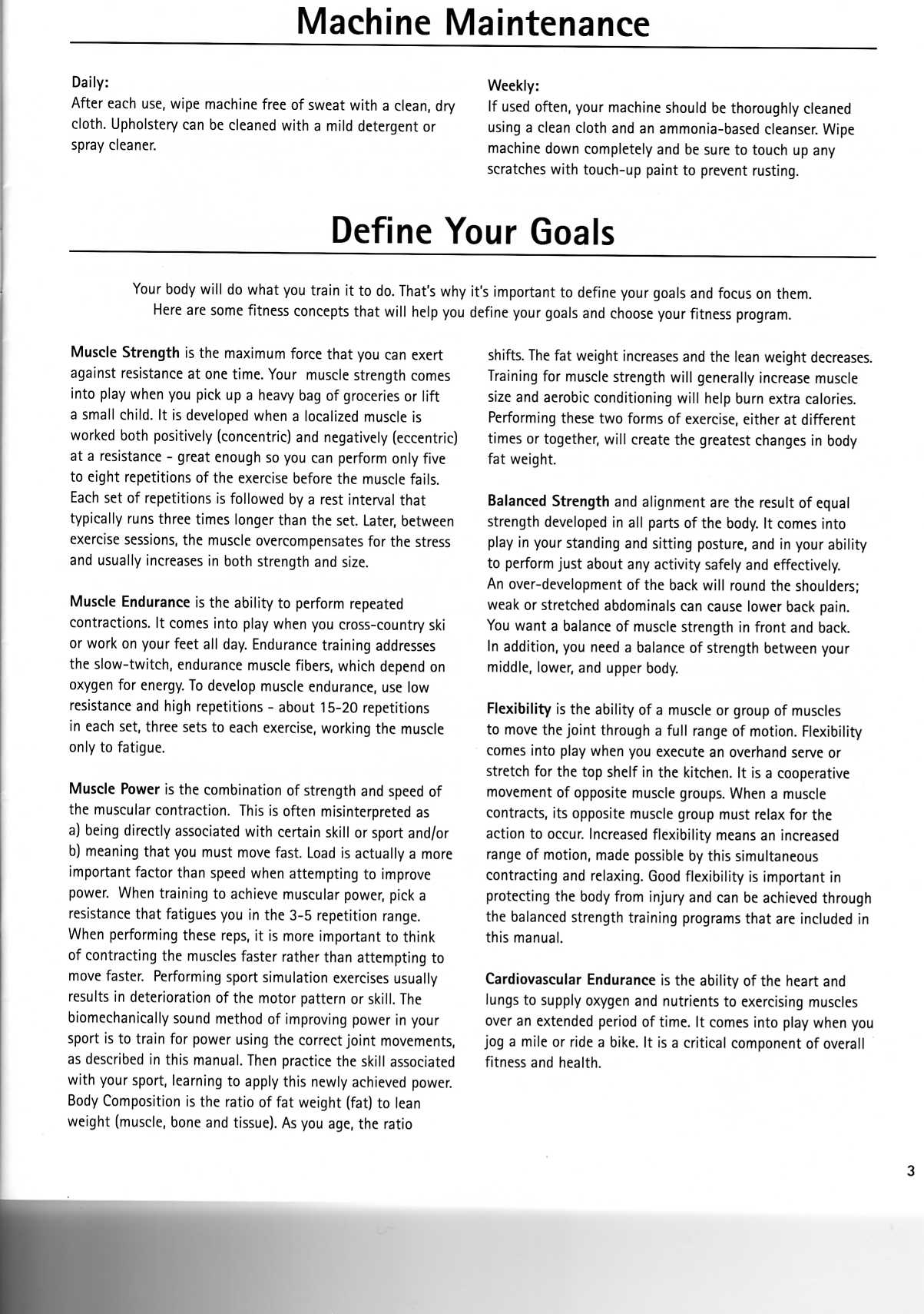
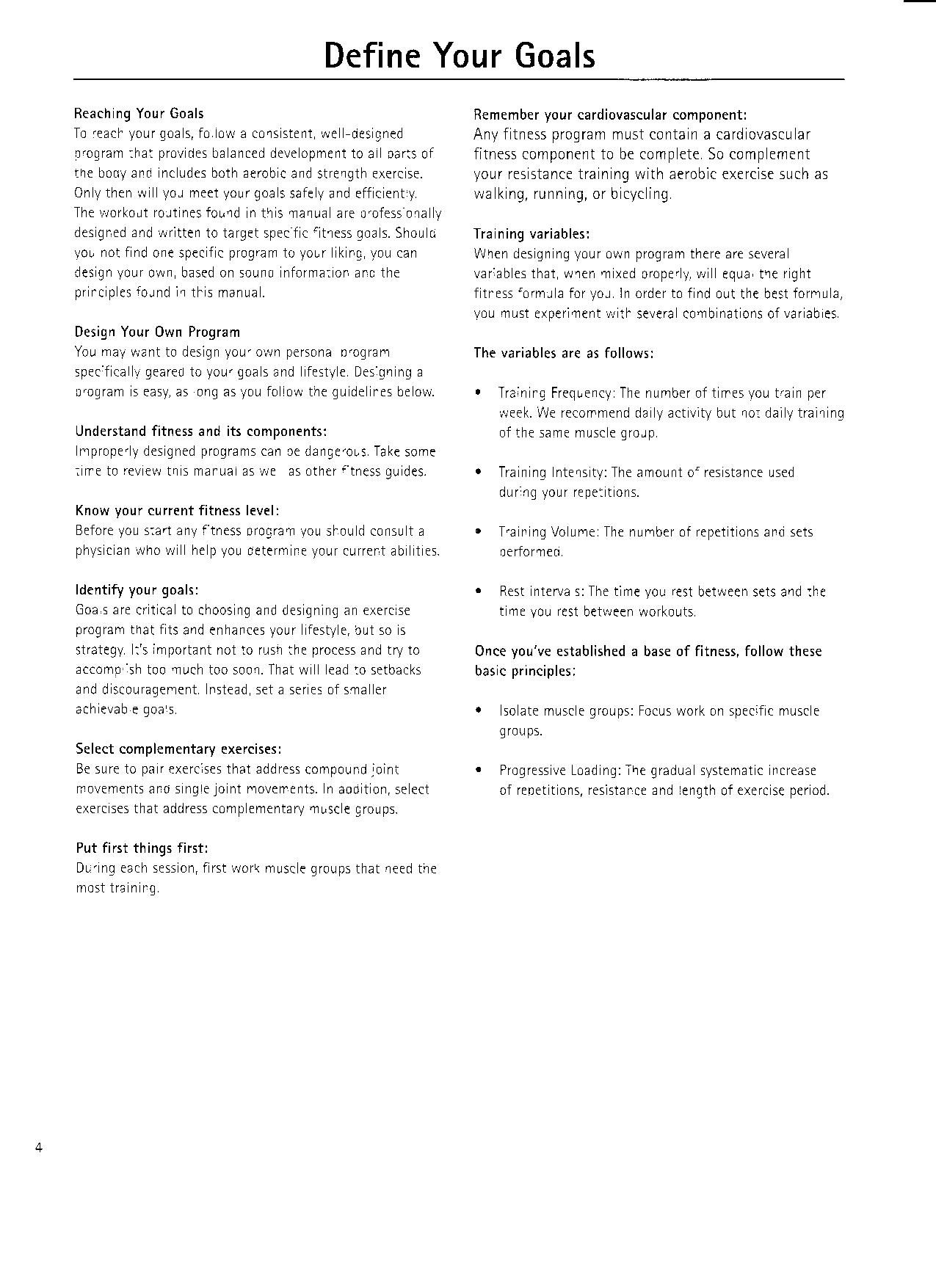
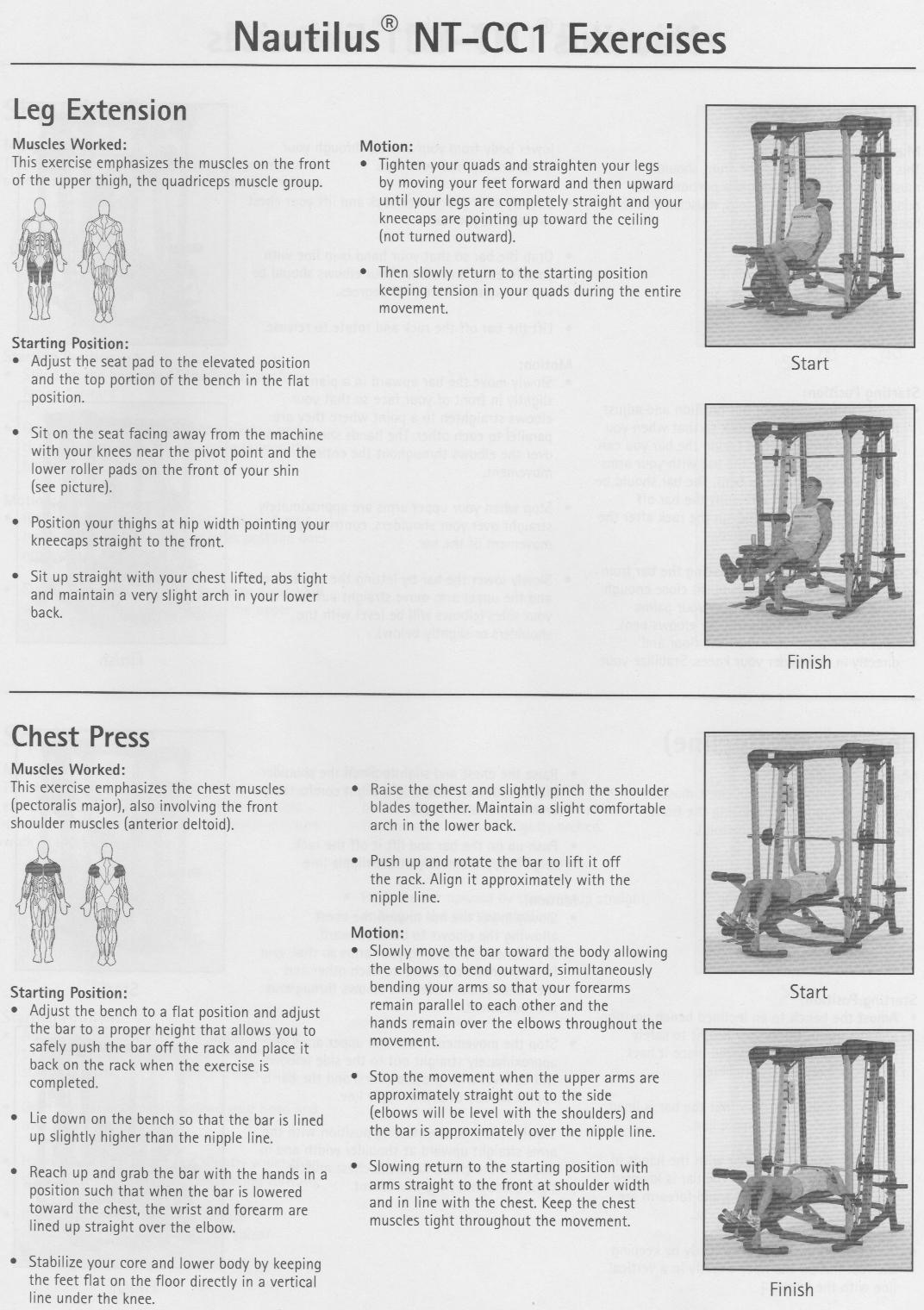
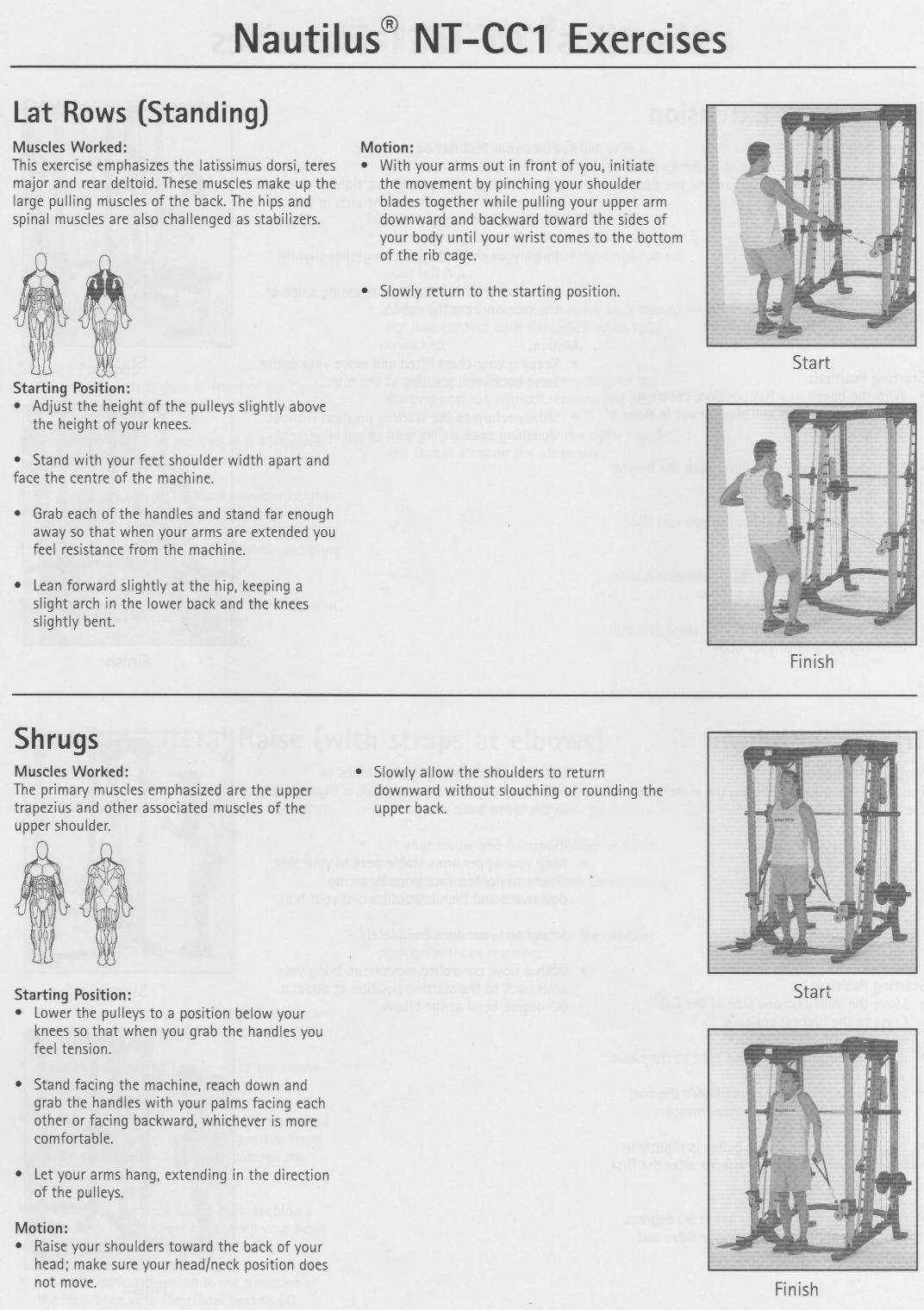
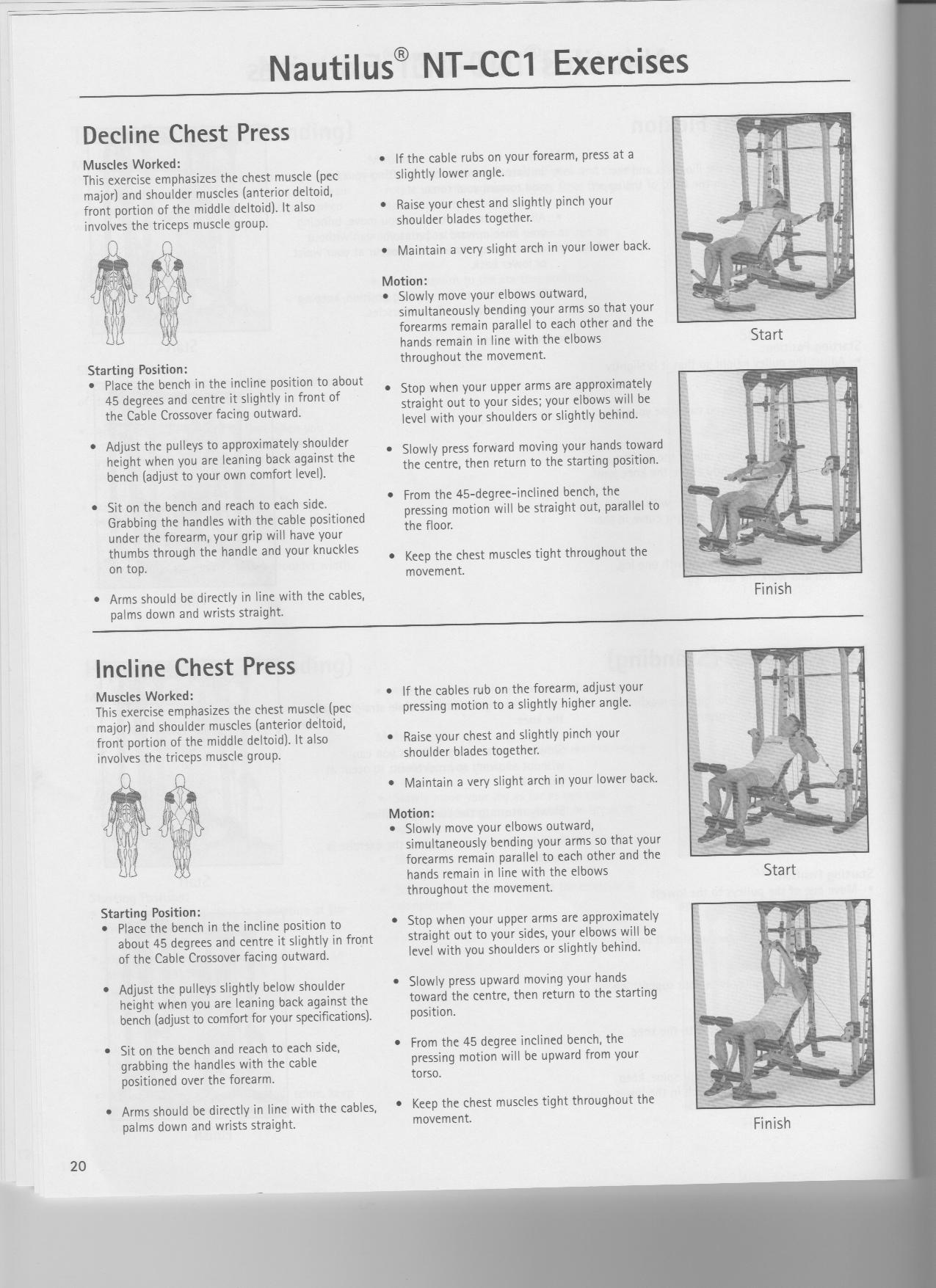
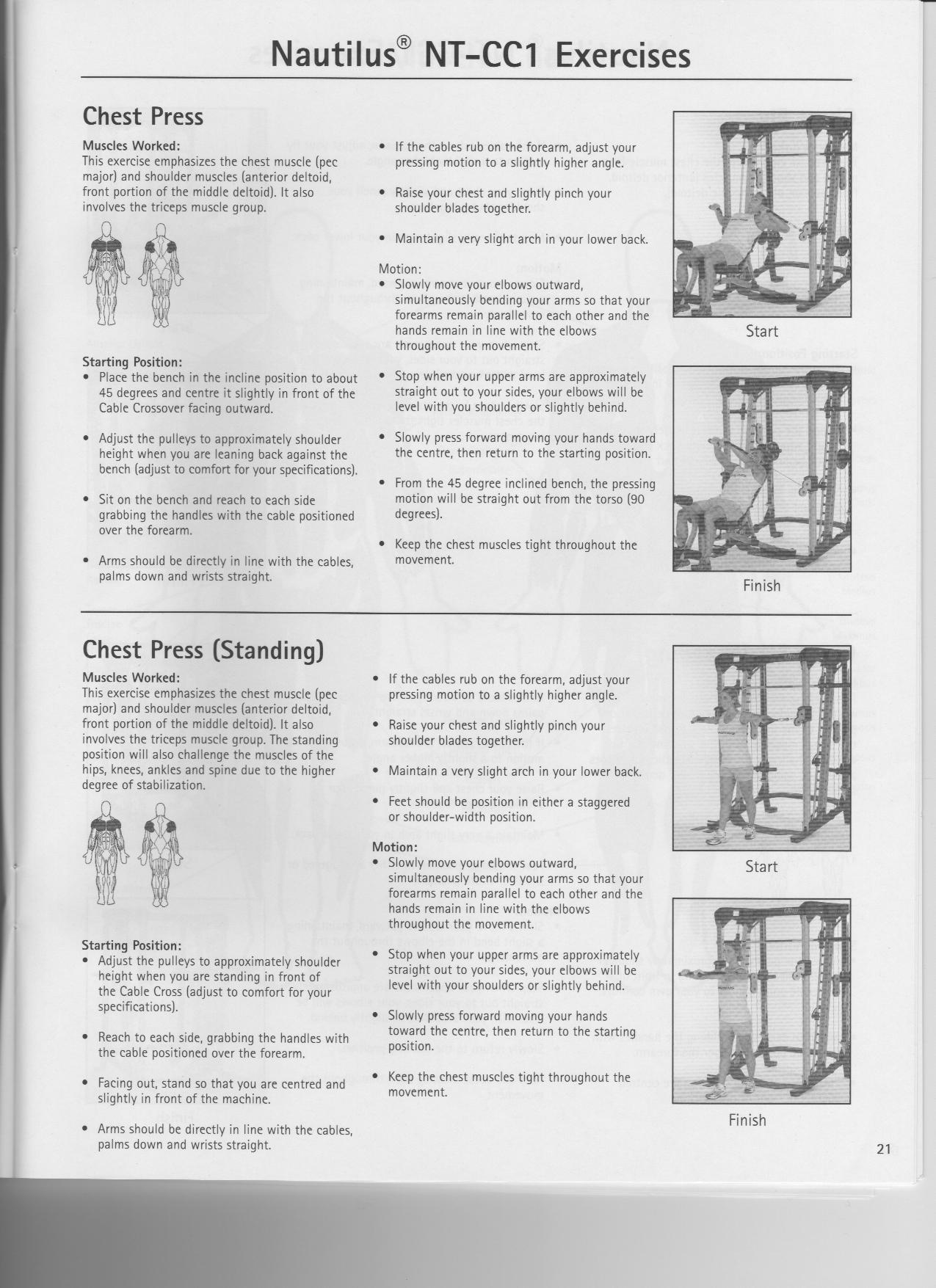
Nautilus NT-CC1 Owners Manual and Fitness Handbook

Like the NT-CC1 Assembly Manual, some purchasers have missed out on receiving the NT-CC1 Owners Manual and Fitness Handbook. So here it is, in all its glory:

Update (2011-11-16): The manual is now available as a single PDF document, Nautilus NT-CC1 Owners Manual and Fitness Handbook. Many thanks to William Brown for putting it together.

Government-Issued Speed-Controlling Devices

Larry Borsato writes about some experimental new devices:

Transport Canada is testing an integrated GPS device that compares your speed to the posted limit of the streets you are driving on. The idea is to make sure that you can’t exceed that posted limit.

You can read more about the device on Engadget.

While I find the technology interesting, I wouldn’t want one of these devices in my car. I just don’t want some centralized authority invading my life like that.

I’ve occasionally wondered whether there is a more effective approach to keeping our roads safe. Here’s my nutty idea: Install a digital video camera on everybody’s dashboard. The camera is set to constantly record everything. Accompanying the camera is a big blue button. When you press the blue button, the camera sends the last five minutes of recorded video to the nearest police station wirelessly for review. If the reviewer agrees that an infraction has occurred, the offending driver is immediately issued a ticket.

Technorati tags: , , ,

Other Orientations in Computer Programming

Don Box:

I still find myself occasionally having to remind people that objects are at best a means to an end. They aren’t the end unto themselves. Trying to design software only in terms of object-oriented concepts is like trying to speak English without using adjectives or adverbs.

Well said, Don.

I’m glad to see all the hype around object-oriented programming is waning. There are other ways to approach computer programming. If you don’t believe me pick up a copy of Concepts, Techniques, and Models of Computer Programming. It’s worth it. Really.

Technorati tags: , ,

The Short Head of Programming Languages

The TIOBE Programming Community index is a list of the 20 most popular programming languages in use today:

The index is updated once a month. The ratings are based on the world-wide availability of skilled engineers, courses and third party vendors. The popular search engines Google, MSN, and Yahoo! are used to calculate the ratings. Observe that the TPC index is not about the best programming language or the language in which most lines of code have been written.

It should come as no surprise that Java, C, and C++ top the list.

Tip of the hat to Ian Landsman.

Wiki Software Flame War

I am the recent beneficiary of new desktop machine at the office, which leaves my old machine available for other experiments.

In another bold step into the 90s, I’m looking into setting it up as an office wiki server.

I’m not at all familiar with any of the Wiki packages and I don’t really know what features I should be looking for, though this comparison of wiki software chart has provided some hints.

One.. Two.. Three… Four… I declare a flame war.

Which wiki software is the best, and why?